
Asphalt Shingles vs Metal Roofing: Which Is Right for Your New England Home?
· By Roxaco Roofing
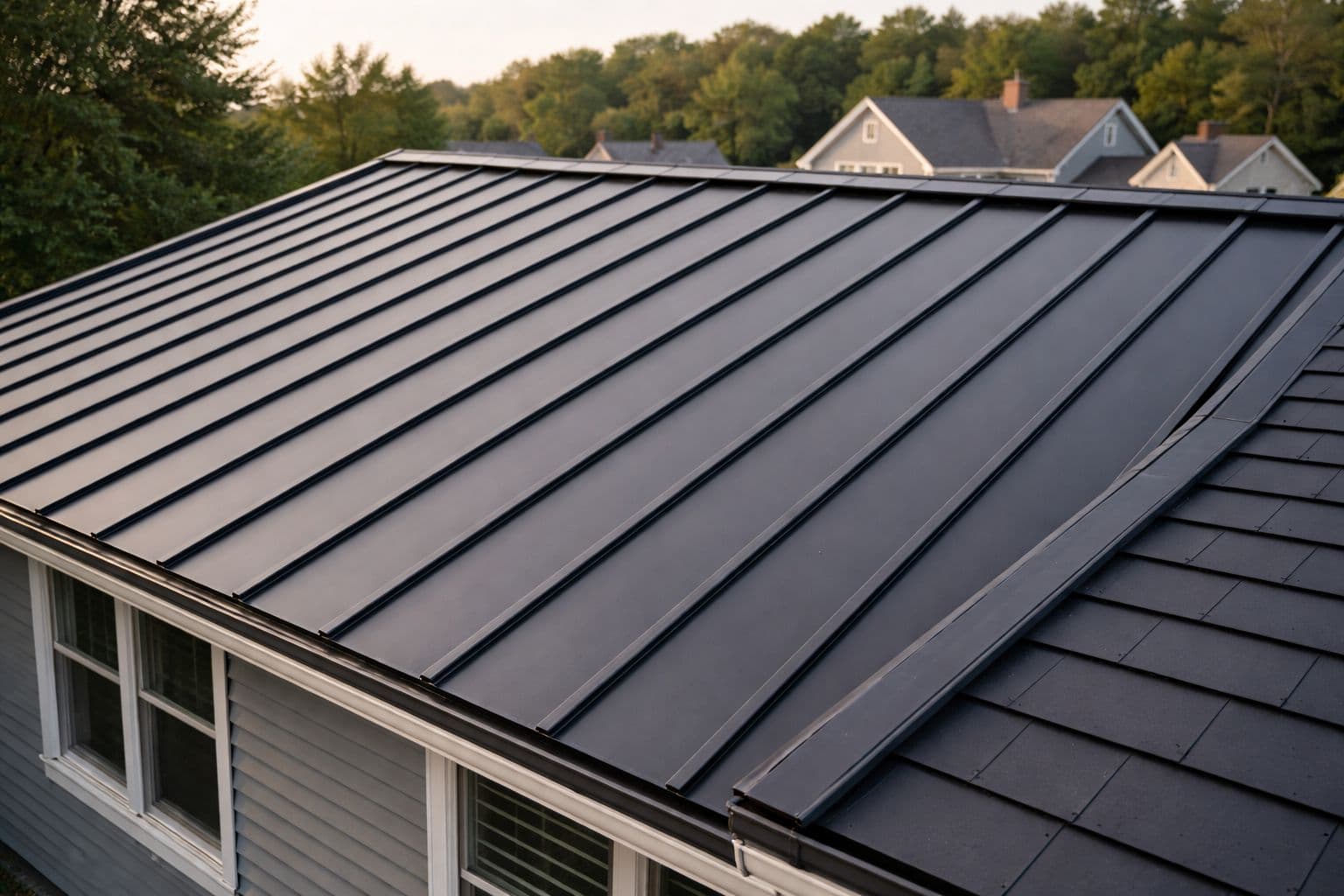
When it is time to replace a roof, most New England homeowners land on the same fork in the road: stick with familiar asphalt shingles, or step up to metal. Both are proven here. Both can handle our snow, ice, and coastal wind. But they behave differently, they cost differently, and they suit different homeowners.
There is no single right answer. The better question is which material fits your budget, your home, and how long you plan to stay. This guide walks through the real trade-offs so you can compare the two honestly before anyone climbs a ladder.
Cost: up front vs over the life of the roof
Up front, asphalt is the more affordable choice by a wide margin. A quality architectural asphalt roof is typically the most budget-friendly option for a single-family home, which is a big reason it stays the most common roof across Massachusetts, Connecticut, and Rhode Island. Metal roofing generally costs meaningfully more to install, often a good deal more per square foot, because the material is pricier and the installation takes specialized skill and time.
Over the full life of the roof, the math gets more interesting. A metal roof can last decades longer than asphalt, so while you pay more once, you may never pay for another roof while you own the home. Asphalt costs less each time, but you are more likely to replace it again down the road. If you plan to stay put for the long haul, metal can close some of that gap. If you may move within a decade or two, the lower up-front cost of asphalt often wins.
Keep in mind that any figure you see online is a market-typical range, not a quote for your home. Pitch, size, complexity, and the condition of the decking underneath all move the number. The only way to get a real price is an on-site estimate, which is exactly what a free inspection is for.
Lifespan and durability in New England winters
Our winters are the real test. Freeze-thaw cycles, heavy snow load, ice dams along the eaves, and strong wind off the coast all work against a roof year after year. Both materials can hold up well here, but they age differently.
A standard asphalt shingle roof is generally designed to last around 20 to 30 years, depending on shingle quality, ventilation, and installation. Premium architectural shingles from manufacturers like GAF and CertainTeed carry strong long-term warranties and perform reliably through our storms. Metal, on the other hand, can last 40 to 70 years or more. It also sheds snow rather than letting it pile up, which reduces load and helps limit the ice dams that plague many New England homes.
Wind and impact resistance also favor metal in the toughest conditions. Metal panels lock together and resist lifting, while asphalt shingles depend on a proper seal to stay put. That said, a well-installed asphalt roof with quality shingles and the right underlayment handles our weather just fine for most homes. Durability is less about the material alone and more about how it is installed, which we come back to below.
Look, curb appeal, and resale value
Asphalt gives you the most flexibility on appearance. It comes in a wide range of colors and profiles, from clean architectural lines to shingles designed to mimic slate or wood shake. For a traditional New England colonial, cape, or ranch, asphalt blends in effortlessly and matches what buyers expect to see in the neighborhood.
Metal has a distinct, modern look that many homeowners love, especially standing seam profiles with their crisp vertical lines. It reads as premium and can make a home stand out. Some metal products are also made to resemble shingles or tiles if you want the longevity without the contemporary look. The right choice comes down to your home style and your taste.
On resale, a new roof of either type is a strong selling point because buyers know it means fewer worries and no near-term replacement cost. Metal can add extra appeal for buyers who value longevity and low maintenance. Asphalt rarely turns a buyer off because it is what most people expect. Either way, a roof in good condition protects your home value more than the specific material does.
Noise, energy, and the maintenance myths
The most common worry about metal is noise. The truth is that a metal roof installed over solid decking with proper underlayment is not much louder in rain than any other roof. The image of a loud tin roof comes from panels laid over open framing, like on a barn, not from a modern residential install. On a properly built home, you are unlikely to notice a difference.
On energy, metal has an edge in summer because it reflects more solar heat, which can ease cooling costs. In our climate, where heating dominates the year, that benefit is real but modest. What matters far more for energy in any New England home is attic insulation and ventilation, and both asphalt and metal roofs perform well when the ventilation is done right. If your home is a candidate for solar, our WattMatters solar division can look at the roof and the panels together so the two are planned as one system.
As for maintenance, neither roof is truly maintenance-free, but both are low effort. Metal resists moss, rot, and fire and rarely needs attention beyond keeping gutters clear and checking fasteners over time. Asphalt benefits from occasional inspection after big storms and clearing debris. The bigger maintenance driver is not the material, it is the quality of the flashing, ventilation, and installation, which is where problems usually start.
Which homeowner is each roof right for?
Asphalt is the practical pick for most homeowners. Choose it if you want a proven, budget-friendly roof, you like the traditional look, or you may sell within the next 10 to 20 years. It is also the easier choice when you want a wide range of colors to match your home and neighborhood. For the majority of homes across Massachusetts, Connecticut, and Rhode Island, a quality architectural asphalt roof is the sensible, dependable answer.
Metal is the pick for the long-term homeowner. Choose it if you plan to stay in the home for decades and want maximum lifespan, if snow shedding and ice dam reduction matter to you, or if you want the modern look and are comfortable investing more up front. It also appeals to homeowners who want the lowest maintenance over the years and value the added wind and fire resistance.
Many homeowners fall somewhere in the middle, and that is fine. The decision often comes down to a simple question: how long will you own this home, and how much do you want to spend now versus later? Talking it through with a roofer who can see your actual roof usually makes the answer clear.
Why installation quality matters more than the material
Here is the part that gets overlooked in every asphalt vs metal debate: the best material installed poorly will fail before a modest material installed well. Most roof leaks do not start in the middle of a shingle or panel. They start at the flashing around chimneys, valleys, skylights, and vents, and at the eaves where ice dams form. Those details are all about workmanship, not the product on the box.
A quality installation includes proper underlayment, ice-and-water shield along the eaves and valleys, correct flashing, and balanced attic ventilation so the roof can breathe and shed heat and moisture. Skip any of those and even a premium roof will disappoint. Include them and both asphalt and metal will serve you for decades. That is why the installer you choose matters as much as the material.
Roxaco Roofing is a family-owned contractor with more than 11 years on New England roofs, GAF and CertainTeed certified, serving Massachusetts, Connecticut, and Rhode Island. We install both asphalt and metal, most residential roofs are completed in a single day, and qualifying roofs are backed by up to a 50-year warranty. The right way to choose between the two is an honest, on-site conversation about your home, your budget, and your plans. Call (508) 745-8237 for a free estimate.
Frequently asked questions
- Is metal roofing worth the extra cost over asphalt in New England?
- It can be, especially if you plan to stay in your home for decades. Metal costs meaningfully more up front but can last 40 to 70 years, sheds snow well, and helps reduce ice dams. If budget is the priority or you may move within 10 to 20 years, a quality architectural asphalt roof is the proven, popular choice here.
- Which lasts longer, asphalt shingles or a metal roof?
- Metal lasts longer. A standard asphalt shingle roof is generally designed for around 20 to 30 years, while a metal roof can last 40 to 70 years or more. That longer lifespan is a big part of why metal costs more up front. Both hold up well through New England winters when installed correctly.
- Are metal roofs noisy when it rains or snows?
- Not on a properly built home. A metal roof installed over solid decking with the right underlayment is not much louder than any other roof. The loud tin roof reputation comes from panels laid over open framing, like a barn, which is not how residential roofs are installed.
- Does a new roof help my home resale value?
- Yes. A new roof of either type is a strong selling point because buyers know it means fewer worries and no near-term replacement. Metal can add extra appeal for buyers who value longevity, while asphalt is what most buyers expect. A roof in good condition protects your home value more than the specific material does.
- How do I decide between asphalt and metal for my home?
- Start with two questions: how long you plan to stay, and how much you want to spend now versus later. Then have a roofer look at your actual roof, since pitch, decking, and home style all matter. Book a free, no-pressure on-site estimate and you will get a clear recommendation. Call (508) 745-8237 to schedule.
Related services
Serving
Ready for an exact price?
Get a free, no-pressure in-home estimate. Real numbers for your home, not a phone guess.