
The Best Time of Year to Replace a Roof in New England
· By Roxaco Roofing
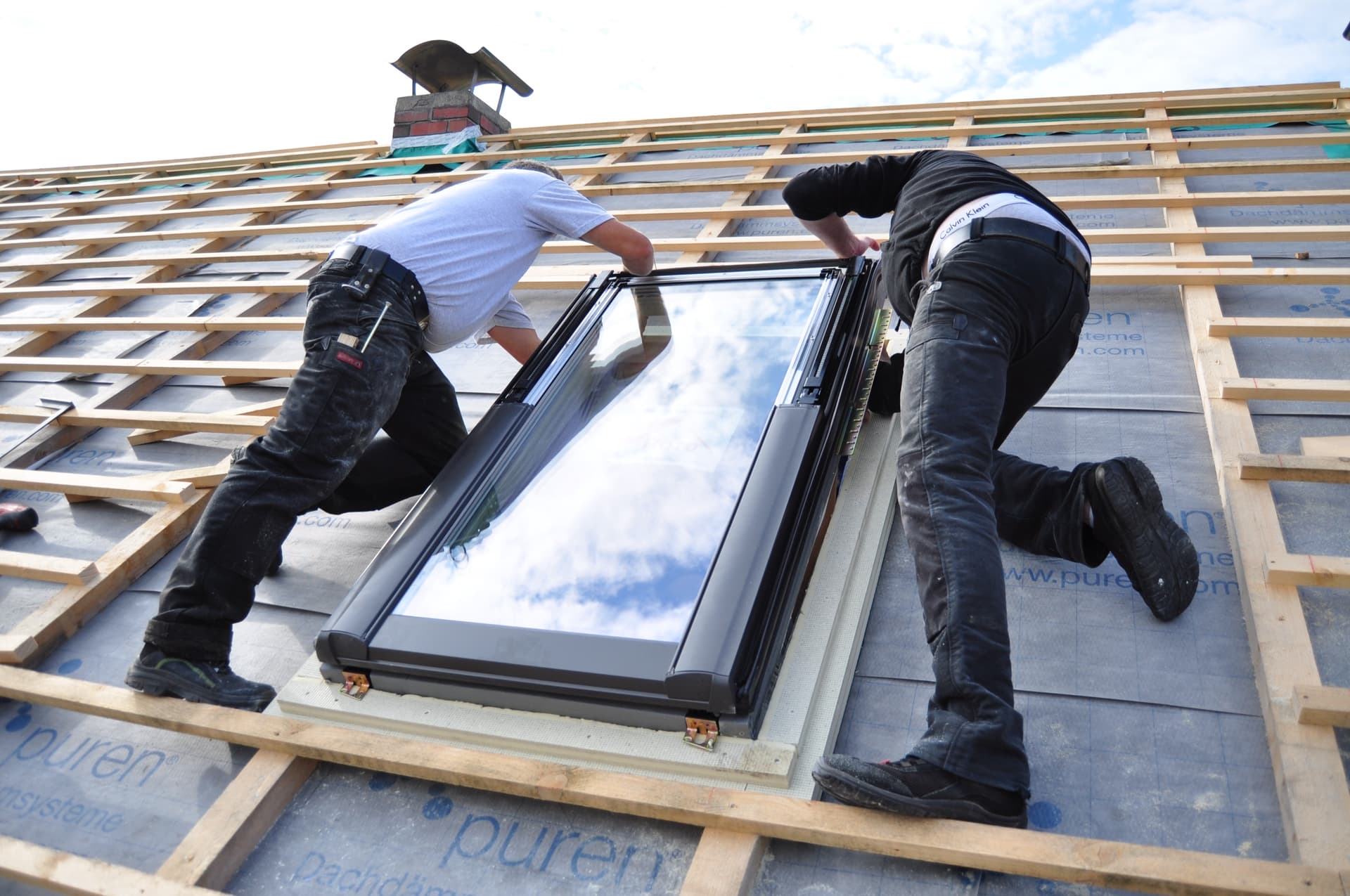
Timing a roof replacement in New England feels trickier than it should. Our seasons swing hard, from humid summers to ice-dam winters, and every homeowner has heard that there is a right and a wrong time to put on a new roof. The good news is that there is no single locked-in season when roofing is possible and a long stretch when it is not. Roofs go on year-round here. What changes from season to season is how smoothly the work flows, how quickly a crew can book you, and how much margin you have around the weather.
This guide walks through each season honestly, including the one most roofers consider the sweet spot, the trade-offs of spring and summer, and whether a winter roof really makes sense in this climate. Just as important, it covers why holding out for the perfect week can quietly cost you more than it saves, and how booking ahead is the real key to getting the roof you want on the timeline you want.
Fall is the sweet spot, and here is why
If you have the luxury of choosing, early to mid fall is the window most roofers point to first. The temperatures are consistently moderate, usually cool enough for crews to work comfortably through a full day but still warm enough for shingles to seal properly. Asphalt shingles rely on the sun to activate the adhesive strip that bonds each course to the one below, and fall days give you reliable warmth without the punishing heat of July. That combination lets a roof cure and lock down the way the manufacturer intended.
There is a second, quieter reason fall wins: it gets your home buttoned up before winter. A fresh roof with new underlayment, proper ice-and-water shield along the eaves and valleys, and correct ventilation is your best defense against the freeze-thaw cycles and ice dams that punish New England homes from December through March. Finishing in fall means you head into the worst of the season with a roof that is sealed, tested by a rain or two, and ready.
The catch is that everyone else knows this too. Fall is peak roofing season across Massachusetts, Connecticut, and Rhode Island, so calendars fill fast and the best dates go early. If fall is your target, the move is to get on the schedule well ahead of time rather than calling in September and hoping for an opening.
Spring and summer: strong options with trade-offs
Spring is a popular runner-up, and for good reason. After a hard New England winter, spring is when homeowners finally see the damage that ice, wind, and snow load left behind, so it is a natural time to act. Temperatures are climbing into the comfortable range, and getting the work done in spring means your roof is ready before summer storms and the next winter. The main trade-off is rain. New England springs are wet and unpredictable, and roofing needs a dry deck, so spring jobs sometimes shift by a day or two around the forecast.
Summer brings the most stable, predictable stretch of dry weather all year, which is a real advantage for keeping a project on schedule. Longer daylight also helps crews finish efficiently. The trade-off is heat. On the hottest, most humid days, shingles can get soft and scuff more easily underfoot, and crews have to pace the work carefully for safety. A good roofer manages this by starting early and working the cooler part of the day, so summer remains a perfectly solid time to reroof.
The honest takeaway is that spring and summer are both good windows, not compromises. Each simply comes with a wrinkle to plan around, wet weather in spring and heat in summer, and an experienced crew already builds that into how they schedule and run the job.
Can you roof in winter in New England? Yes, with the right approach
Winter roofing carries a reputation for being off-limits, but that is more myth than fact. Roofs can absolutely be replaced in cold weather here, and sometimes they have to be, because a roof that fails in January cannot wait until May. What matters is that the crew adjusts its methods for the conditions rather than installing a cold-weather roof the same way they would in October.
The two big considerations are temperature and sealant. In cold weather, the self-sealing adhesive on asphalt shingles will not activate on its own the way it does in the sun, so a careful roofer hand-seals shingles with roofing cement where needed to guarantee the bond, and often installs shingles that are rated to handle colder installation. Shingles also become more brittle in the cold and can crack if handled roughly, so crews keep materials protected and work more deliberately. Snow and ice have to be cleared from the deck completely before any new material goes down, since a roof only performs when it is installed on a clean, dry surface.
The practical upside of winter is availability. It is the slow season, so scheduling is easier and a crew can often get to you sooner. The practical downside is that short daylight, cold snaps, and snow can stretch the timeline, and some days simply are not workable. If your roof is failing in the middle of winter, a reputable roofer will not tell you to wait and risk more damage. They will secure the roof and complete the job correctly using cold-weather methods.
Why waiting for the perfect season can backfire
Here is the trap. A homeowner notices a problem in, say, late winter, decides to hold out for a picture-perfect fall day, and lets a compromised roof ride for eight or nine more months. If the roof were in solid shape, that patience would be fine. But if it is already leaking, missing shingles, or storm-damaged, every additional week of exposure lets water work deeper into the decking, insulation, and framing.
That is how a straightforward roof replacement quietly turns into a bigger, more expensive project. A small active leak can rot the wood decking underneath, ruin insulation, feed mold, and stain ceilings, and all of that becomes extra work and cost when the roof finally does get replaced. Storm damage behaves the same way. Wind that lifts and creases shingles breaks the seal that keeps water out, so what looks fine from the street can be letting moisture in with the next rain.
The smarter frame is to separate urgency from optimization. If your roof is functionally sound and you are simply planning ahead, by all means aim for that ideal fall slot and book it early. But if there is an active leak or fresh storm damage, the best time to replace the roof is now, before the weather gets a chance to make the damage worse. A free inspection is the fastest way to find out which situation you are actually in.
How New England weather windows and contractor schedules really work
Roofing here is less about a single perfect season and more about catching workable weather windows and lining them up with an available crew. On any given week, a good roofer is watching the forecast for dry, calm stretches long enough to tear off and reclose a roof safely. That is why installs are planned with margin around unsettled weather, and why a reputable crew would rather move a start date by a day than rush shingles onto a wet deck and compromise the whole job.
Contractor schedules move in a predictable rhythm across the year. Late spring through fall is the busy stretch, when demand peaks and lead times get longer, especially right after a big storm sweeps through and dozens of homeowners call at once. Winter and the depths of early spring are quieter, which can mean faster scheduling if you are flexible on method and timeline. Understanding this rhythm helps you plan: if you want a specific season, you are effectively competing for slots with every other homeowner who wants the same one.
This is also why the lowest-effort path, waiting until the roof is an emergency and then calling around, tends to be the worst on both price and stress. In peak season you may wait weeks for an opening, and after a regional storm the good crews book out fast. Planning the work while you still have choices puts you in control of the calendar instead of the calendar controlling you.
Booking ahead to get the date you want
The single most useful thing a homeowner can do is decouple the decision from the install. You do not have to wait until the ideal week arrives to get on a schedule. You can have your roof inspected now, lock in a scope and a price, and reserve a date in your preferred season, so when that window opens you are already in line rather than scrambling for whatever slot is left.
Booking ahead also gives the crew time to do the job right. Materials can be ordered and staged, the right shingle line and color can be confirmed, and the schedule can be built with weather margin instead of squeezed in last minute. That preparation is a big part of why most residential roofs can be completed in a single day. When everything is planned and delivered ahead of time, the work flows without stops and starts. Roxaco Roofing is licensed in Massachusetts, Connecticut, and Rhode Island, GAF and CertainTeed certified, and backs qualifying roofs with up to a 50-year warranty, and the earlier a job is on the calendar, the smoother it runs.
So the best time of year to replace your roof is really two answers. If the roof is sound, aim for fall and book early. If the roof is failing, the best time is now. Either way, the first step is the same: a free, no-pressure inspection that tells you where your roof actually stands and what your real options are. Call (508) 745-8237 to schedule and get a firm date on the calendar before the season fills up.
Frequently asked questions
- What is the best month to replace a roof in New England?
- Early to mid fall is the most popular window because temperatures are moderate enough for shingles to seal properly and the work gets your home ready before winter. Spring and summer are strong options too. Because fall is peak season, the best dates book early, so it helps to get on the schedule ahead of time.
- Can you install a new roof in winter?
- Yes. Roofs can be replaced in cold weather when the crew adjusts its methods. That means hand-sealing shingles where the adhesive will not activate in the cold, handling materials carefully since they get brittle, and clearing all snow and ice off the deck first. Winter also tends to have more scheduling availability.
- Should I wait for good weather to replace a leaking roof?
- No. If your roof is actively leaking or storm-damaged, waiting lets water work deeper into the decking, insulation, and framing, which turns a straightforward replacement into a bigger, costlier job. Get a leaking or damaged roof looked at right away rather than holding out for a perfect season.
- How far ahead should I book a roof replacement?
- Sooner is better, especially if you want a specific season like fall. Booking ahead lets you reserve your preferred date, gives the crew time to order and stage materials, and helps the job finish smoothly, often in a single day. After a major storm, good crews book out fast, so early planning keeps you in control of the calendar.
- Does the time of year affect the cost of a roof?
- The season itself is not the biggest cost driver. Your roof size, pitch, complexity, and the condition of the decking underneath matter far more. That said, booking during a slower stretch and planning ahead avoids the rush and stress of an emergency job. For an accurate number, schedule a free on-site estimate.
Related services
Serving
Ready for an exact price?
Get a free, no-pressure in-home estimate. Real numbers for your home, not a phone guess.