
Should You Replace Your Roof Before Installing Solar Panels?
· By Roxaco Roofing
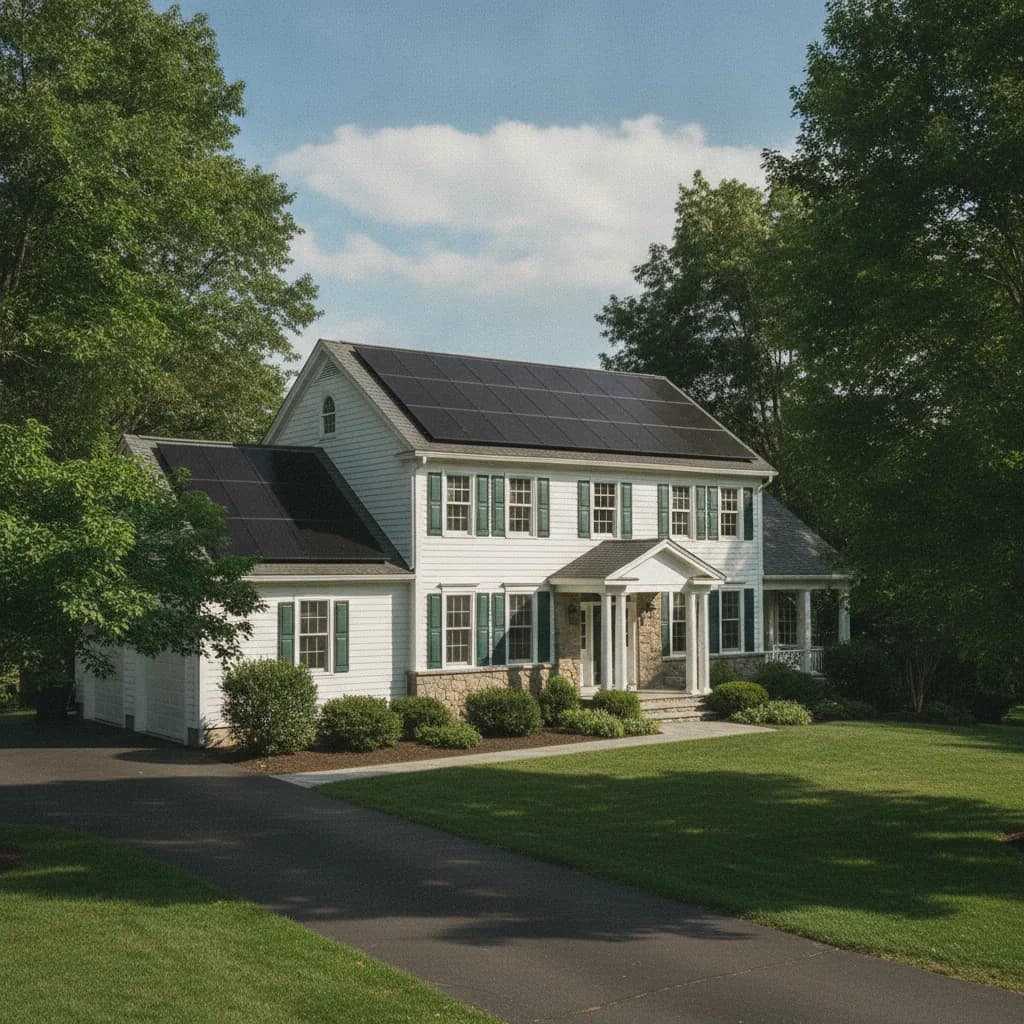
Going solar is one of the smartest upgrades a New England homeowner can make, but there is a question that too many people skip right past: what shape is the roof under those panels in? Solar arrays are built to produce power for decades, and once they are bolted down, they are not easy or cheap to move. If the roof beneath them is worn out, you are setting up a problem that only gets more expensive to fix.
The short version is this. If your roof is near the end of its life, it almost always makes sense to replace it before the panels go on, not after. This guide walks through why roof age matters so much for solar, the real cost of removing and reinstalling an array on a failing roof, how to tell whether your roof has enough life left, and why planning the roof and the panels as one project, the way WattMatters does with Roxaco Roofing, protects the whole investment.
Why your roof age matters before you go solar
A modern solar array is designed to keep producing power for a very long time, often measured in decades. That is a wonderful thing for your energy bills, but it also sets a hard requirement for what is underneath. The roof has to be able to carry that array for the panels’ full working life without needing to come off in the middle.
Now compare that to a typical asphalt shingle roof, which is generally built to last somewhere in the range of 20 to 30 years depending on the shingle quality, ventilation, and how well it was installed. If your shingles are already 15 or 18 years old when the panels go on, the math does not work. The roof will reach the end of its life long before the solar system does, and the panels will be sitting right on top of the thing that fails first.
This is why the roof deserves a hard look before anyone talks about panel placement. A roof with plenty of life left is a solid foundation for solar. A roof that is aging or already showing wear is a liability that the array will only make harder to deal with later. Getting this order right at the start is the single biggest thing you can do to protect a solar investment in New England.
The costly problem of removing and reinstalling an array
Here is the scenario nobody wants. You install solar on a roof that had only a few years left in it. Five or seven years down the road, the shingles start to fail, a leak shows up, and now the roof needs to be replaced. The trouble is that the roofer cannot get to the roof, because a working solar array is covering a large part of it.
To replace that roof, a crew first has to remove the panels, the racking, and the wiring, carefully set it all aside, do the roof work, and then remount and rewire the entire system afterward. That remove-and-reinstall step is real labor and real cost, and it is money you spend purely because the sequence was wrong. Depending on the size of the array, that added expense can run well into the thousands, on top of the roof itself, and typical market pricing for a detach-and-reset is not small. You also risk downtime where the system is offline and not producing.
None of that cost adds a single watt of power or a single year of roof life. It is pure waste created by putting the panels on too soon. Replacing the roof first, while it is bare and easy to work on, avoids that entire trap. The cleaner and cheaper path is almost always to get the roof right before the array ever goes up.
How to tell if your roof has enough life left
You do not need to climb a ladder to get a rough read on your roof. Start with age. If you know the roof is pushing 20 years or more, treat that as a strong signal to have it evaluated before committing to solar, even if it looks fine from the street. Age alone does not mean failure, but on an older roof the margin is thin, and thin margin plus a decades-long array is a bad combination.
Next, look for the everyday warning signs from the ground and from inside. Shingles that are curling, cracked, or missing, coarse granules collecting in your gutters, water stains on upstairs ceilings, or a sagging line along the roof all suggest the roof is wearing out. Any one of these on a roof you are about to cover with panels is worth taking seriously.
The most reliable step is a professional roof inspection before the solar quote is finalized. A roofer can measure the actual condition of the shingles, check the decking underneath for soft or rotted wood, and give you an honest read on how many years the roof has left. That answer decides everything: if the roof is solid, the panels can go right on. If it is close to done, replacing it first is the move. A free estimate from Roxaco Roofing gives you that clear picture with no pressure to sign.
The roof-first advantage: one team, one plan
Most solar problems start when the roof and the panels are treated as two separate jobs handled by two companies that never talk to each other. The solar installer wants to put panels up. The roofer, if one is even involved, shows up years later to clean up the mess. Nobody planned the roof to hold the array for its full life, so it never quite fits together.
WattMatters, the solar division of Roxaco Roofing, is built to close that gap. It plans the roof and the panels together, as one project, so the array sits on a roof that was designed and built to carry it for the panels’ entire working life. That is what roof-first design means: the roof is not an afterthought under the solar, it is the foundation the whole system is planned around from day one.
The practical payoff of one team is real. The people who understand shingles, flashing, decking, and ventilation are the same people accounting for panel weight, mounting points, and layout. There is no finger-pointing when something needs to line up, no gap where each company assumes the other handled it, and no surprise five years later. You get a roof and an array that were engineered to work as a single, long-lasting system.
What a roof needs to carry solar well
A roof built for solar is more than just new shingles. The structure has to be sound. The decking beneath the shingles needs to be solid, with any soft or rotted boards replaced, because the mounting hardware that holds the racking anchors into that wood. A weak or aging deck is not a safe base for an array meant to stay put for decades.
Flashing and waterproofing matter even more once panels are involved. Every mounting point is a penetration through the roof surface, and each one has to be flashed and sealed correctly so it never becomes a leak. This is exactly the kind of detail that gets missed when a solar crew drills into a roof they did not build, and exactly the kind of detail a roofing-led team gets right the first time. Ventilation is part of the picture too, keeping the attic breathing and the shingles from cooking, which protects the roof’s lifespan under the array.
Warranty coordination is the piece homeowners forget. Roxaco Roofing installs GAF and CertainTeed certified systems and backs qualifying roofs with up to a 50-year warranty. When the same team plans the roof and the solar, the roofing work is done so it supports the panels without voiding coverage, and you are not left with two warranties that point fingers at each other when there is a problem. One coordinated plan keeps the protection intact.
Timing: how to plan the roof and solar as one project
The best time to sort out the roof is before the solar contract is signed, not after. Once you are thinking about panels, the very first step should be an honest look at the roof, so you know whether you are building on a solid base or on borrowed time. Deciding this up front is what keeps the whole project on budget and on schedule.
If the inspection shows the roof is near the end of its life, replacing it first is usually the smart call, and doing the roof and the array in one coordinated project is smoother and more cost-effective than treating them as two separate events years apart. The roof goes on clean, the panels mount onto a surface that was prepared for them, and there is no detach-and-reset bill waiting in your future. Most residential roofs are completed in a single day, so the roofing part of the project moves quickly.
Roxaco Roofing serves homeowners across Massachusetts, Connecticut, and Rhode Island, and the WattMatters division brings the roofing and solar sides together under one roof-first plan. Whether your roof has years of life left or is ready to be replaced first, the honest starting point is a free, no-pressure estimate. Call (508) 745-8237 and get a real read on your roof before the panels go up.
Frequently asked questions
- Should I replace my roof before installing solar panels?
- If your roof is near the end of its life, yes. Solar panels are built to last for decades and are costly to remove once installed, so putting them on a worn roof means paying to take the array off and remount it when the roof fails. Replacing an aging roof first, while it is bare and easy to work on, is almost always the cheaper, cleaner path. A free inspection tells you whether your roof is ready or needs replacing first.
- How old is too old for a roof to put solar on?
- There is no single number, but a typical asphalt roof lasts around 20 to 30 years, and solar arrays are designed to run for decades. If your roof is pushing 20 years or older, have it evaluated before committing to panels. What matters is not just age but condition: a professional roof inspection gives you an honest read on how many years the roof has left.
- How much does it cost to remove and reinstall solar panels for a roof replacement?
- It varies with the size of the array, but a detach-and-reset is real labor that can run well into the thousands on top of the roof itself, plus downtime while the system is offline. That cost adds no power and no roof life, which is exactly why replacing an aging roof before the panels go on saves money in the long run.
- What is roof-first solar design?
- Roof-first design means the roof and the solar array are planned together as one project, so the roof is built to carry the panels for their full working life instead of being treated as an afterthought. WattMatters, the solar division of Roxaco Roofing, plans both sides with one team, so the structure, flashing, ventilation, and warranty all line up and the array sits on a roof engineered to hold it.
- Can I get my roof and solar handled by the same company?
- Yes. Roxaco Roofing and its WattMatters solar division handle the roof and the panels as a single coordinated project across Massachusetts, Connecticut, and Rhode Island. One team means no gap between the roofing and solar work, no finger-pointing, and a roof designed to support the array. Call (508) 745-8237 for a free estimate.
Related services
Serving
Ready for an exact price?
Get a free, no-pressure in-home estimate. Real numbers for your home, not a phone guess.