
Roof Repair vs Replacement: How to Know What You Actually Need
· By Roxaco Roofing
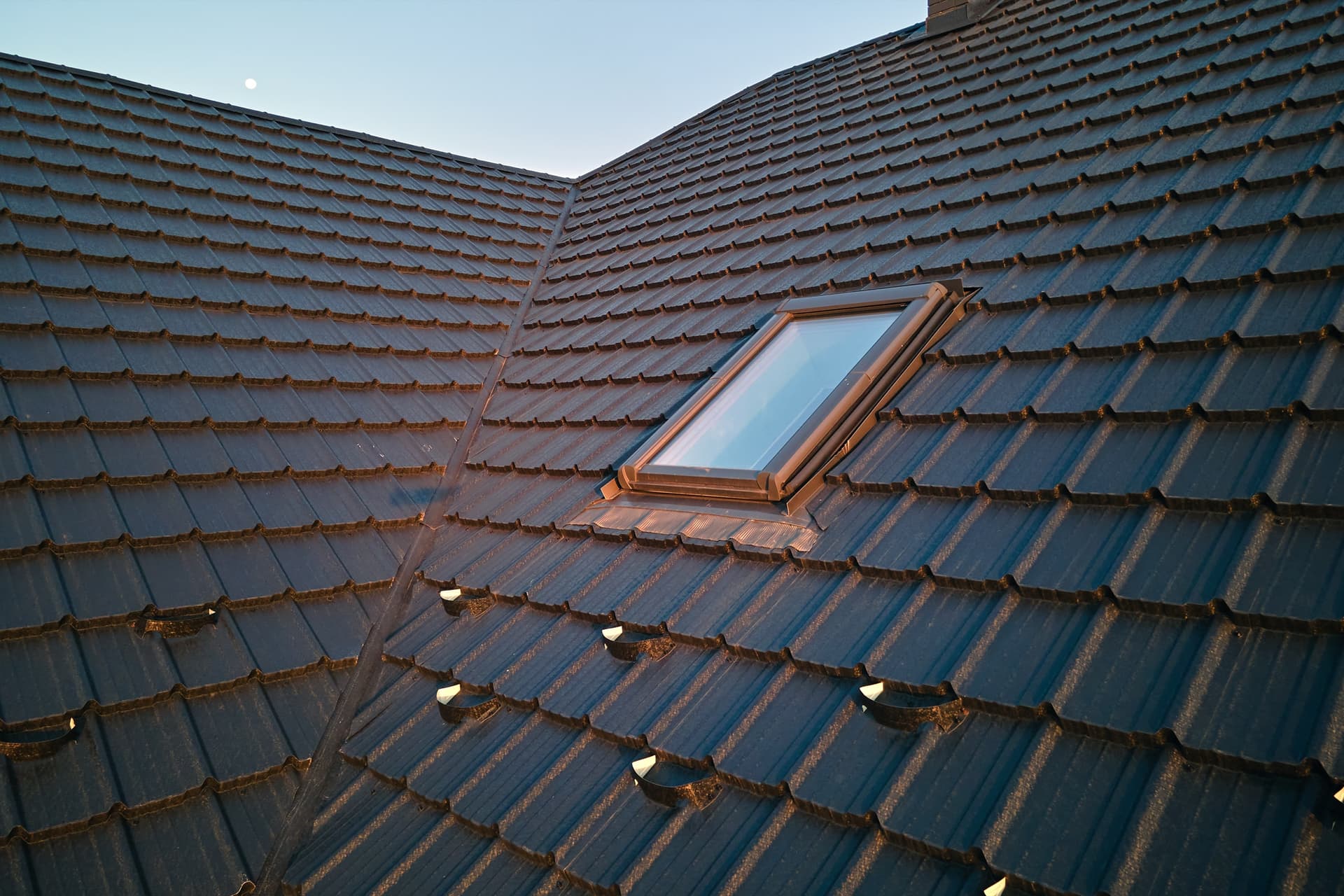
When a stain shows up on the ceiling or a few shingles land in the yard after a storm, the first question every homeowner asks is a hard one: do I just patch this, or is it time for a whole new roof? It is a big fork in the road, because the two answers can be thousands of dollars apart. Guessing wrong in either direction costs you money, either by tearing off a roof that had good years left or by patching one that keeps failing.
The good news is that the decision is not really a coin flip. There is a clear logic to it, built on the age of the roof, how widespread the damage is, what the deck underneath looks like, and the simple math of what you spend now versus later. This guide walks through that logic the way an honest roofer would explain it at your kitchen table, so you can make the call with your eyes open before anyone hands you a number.
When a repair is the right call
A repair is the smart, money-saving choice when the damage is isolated and the rest of the roof is still healthy. Think of a dozen shingles blown off in one corner after a New England wind storm, a small leak traced to a single cracked vent boot, or flashing that has pulled loose around one side of the chimney. In cases like these, the problem is local. The surrounding roof is sound, still sealed, and still has years of service left in it.
The other thing that makes a repair the right call is age. If your roof is relatively young, well within its expected lifespan, then a targeted fix simply restores it to working order. You are not propping up a failing system, you are correcting one point of damage on an otherwise good roof. A quality contractor will happily do the smaller job, because a repair done well builds the trust that earns the replacement later when the roof truly needs it.
One caution: a repair only counts as a good decision if it is done right. That means matching the shingle line as closely as possible, replacing the underlayment and flashing in the repair area, not just slapping new shingles over an old problem. A cheap patch that ignores what is underneath can trap moisture and make things worse, which is a big part of why some homeowners sour on repairs entirely.
When replacement makes more sense
Replacement becomes the better decision when the damage is no longer local. When you see curling, cracking, and bald spots scattered across the entire roof, that is not a repair problem, that is a roof telling you it has reached the end. Fixing one section of a roof that is failing everywhere is like changing one bald tire on a car that needs all four. You will be back at it within a season.
Multiple leaks in different areas are another strong signal. A single leak can be a fluke, a nail pop or a flashing gap. Leaks in three or four separate spots usually mean the waterproofing layer as a whole has given up, and no amount of spot-patching gets ahead of it. The same is true when the deck underneath is compromised, which we will get to shortly, because you cannot reliably repair a roof that has lost its solid foundation.
There is also a quality-of-life case for replacement. A new roof resets the clock with a fresh manufacturer warranty, restores full protection against the freeze-thaw cycles and ice dams that punish roofs across Massachusetts, Connecticut, and Rhode Island, and ends the cycle of surprise repair bills. For many homeowners, the peace of mind of knowing the roof is handled for the next two or three decades is worth as much as the dollars.
The age rule of thumb
The single most useful number in this whole decision is the age of your roof. A standard asphalt shingle roof is generally built to last somewhere in the 20 to 30 year range, depending on the shingle quality, how well the attic is ventilated, and how carefully it was installed. Where your roof falls on that timeline should heavily shape whether you repair or replace.
Here is the practical rule of thumb many roofers use: if your roof is more than about 25 years old, or within a few years of the end of its expected life, lean hard toward replacement even when the current damage looks small. Pouring money into a repair on a roof that close to the finish line usually means you are paying twice, once for the patch and again for the full replacement a year or two later. If the roof is comfortably in the first half of its life, a repair is almost always the right move.
Not sure how old your roof actually is? You are not alone, especially if you bought the home with the roof already on it. Home sale records, permit history with your town, or the previous owner can help pin it down. Failing that, an experienced roofer can usually estimate the age and remaining life from the wear pattern during an inspection, which takes the guesswork out of this step.
The hidden signs most homeowners miss
A lot of the real story lives in places you cannot see from the curb. The most important is the wood decking under the shingles. When old leaks have been quietly soaking the deck, the boards go soft and rotted, and rotted decking cannot hold nails or support a new roof. If a large area of the deck is gone, a surface repair is pointless, because the foundation itself has failed. This is often the finding that flips a job from repair to replacement once the old shingles come off.
Another hidden factor is the number of layers already on your roof. Some homes have had a second layer of shingles installed over the first to save money on an earlier job. Once you are at two layers, most building codes will not allow a third, and the extra weight and trapped heat shorten the life of everything above the deck. A home with multiple layers is usually a replacement candidate, because there is no clean way to keep repairing over stacked shingles.
Then there are the quieter tells. Granules from your shingles collecting in the gutters and downspouts mean the protective coating is washing away and the shingles are aging out. Repeated leaks that keep coming back in the same spot after being patched often signal a deeper problem the patch never actually reached. And daylight visible through the roof boards in the attic means there are real gaps where water and cold air are already getting in. Any one of these on its own may be manageable, but two or three together usually tip the scale toward replacement.
The cost math: good money after bad
This is where a lot of homeowners talk themselves into the wrong choice. A repair almost always has the smaller sticker price, so it feels like the responsible, frugal option. But the real question is not which bill is smaller today, it is which path costs less over the next several years. On a roof near the end of its life, a string of repairs can quietly add up to a meaningful chunk of a full replacement, and at the end of it you still have an old roof.
A simple way to sanity-check the decision is to weigh the cost of the repair against the age and condition of the roof. Spending a modest amount to buy several more good years out of a mid-life roof is a smart trade. Spending nearly as much to nurse along a worn-out roof for one more winter is the classic case of throwing good money after bad. As a rough guide, when repeated repairs start approaching a large share of what a replacement would cost, replacement is almost always the better long-term value.
Exact numbers depend entirely on your roof, so treat any figure you read online as a market ballpark, not a quote. Roof pricing moves with size, pitch, material, the condition of the deck, and how many layers have to come off. The only way to compare a real repair cost against a real replacement cost for your specific home is to have both looked at in person, which is exactly what a free on-site estimate is for.
How a proper inspection settles it
When you genuinely cannot tell which way to go, a thorough inspection is what turns the guessing into a clear answer. A good roofer does more than glance at the surface. They check the condition and age of the shingles, look for granule loss and curling across the whole roof, inspect the flashing and valleys where leaks usually start, and get into the attic to check the decking and look for daylight, damp wood, and stains. That full picture is what reveals whether the damage is a contained problem or a symptom of a roof that is done.
A trustworthy inspection also comes with an honest recommendation and an itemized estimate you can actually read. It should spell out the scope, the materials, and the warranty, whether the answer is a repair or a replacement, so you are comparing real options instead of chasing the lowest headline number. Be wary of anyone who pushes a full replacement without showing you why, and be equally wary of a rock-bottom patch quote from someone who never looked underneath.
This is the part Roxaco Roofing takes seriously. After more than 11 years on New England roofs and as a GAF and CertainTeed certified contractor serving Massachusetts, Connecticut, and Rhode Island, the goal at an inspection is a straight read: repair when a repair is genuinely enough, replace only when it truly makes sense. If a new roof is the answer, most residential roofs are completed in a single day, with up to a 50-year warranty on qualifying roofs. To get a clear, no-pressure answer for your own home, book a free on-site estimate or call (508) 745-8237.
Frequently asked questions
- Is it cheaper to repair a roof or replace it?
- A repair almost always has a smaller upfront price, so for isolated damage on a roof that still has good years left, repairing is cheaper and the right call. The math flips when the roof is near the end of its life. Repeated patches on a worn-out roof can add up to a large share of a replacement, and you still end up with an old roof. Over several years, replacing an aging roof is often the cheaper path.
- How do I know if my roof needs to be replaced instead of repaired?
- Lean toward replacement when the warning signs are widespread rather than local: curling and bald spots across the whole roof, leaks in several different areas, rotted decking underneath, or a roof already past about 25 years. Isolated damage on a younger, otherwise healthy roof usually just needs a repair. An on-site inspection gives you a definite answer for your specific home.
- Can you repair just one section of a roof?
- Yes, when the damage is contained and the surrounding roof is sound. Replacing a handful of shingles, fixing flashing around a chimney, or sealing a single leak are all legitimate repairs. The catch is that the repair has to be done properly, matching the shingles and addressing the underlayment and flashing, not just covering the surface. A patch that ignores what is underneath can trap moisture and cause new problems.
- How old does a roof have to be before I should replace it?
- Most asphalt shingle roofs are built to last around 20 to 30 years. Once a roof passes about 25 years or gets within a few years of the end of its lifespan, replacement usually makes more sense than repair, even for small damage, because a patch on a near-failing roof often means paying twice. A roof in the first half of its life is almost always a repair candidate.
- How much does a roof inspection cost?
- Many roofers, including Roxaco Roofing, offer a free on-site estimate that includes checking the shingles, flashing, valleys, and the decking and attic for hidden damage. That inspection is the reliable way to compare a real repair cost against a real replacement cost for your home. Call (508) 745-8237 to schedule one with no pressure to sign.
Related services
Serving
Ready for an exact price?
Get a free, no-pressure in-home estimate. Real numbers for your home, not a phone guess.