
Roof Storm Damage in New England: What to Do and How Insurance Claims Work
· By Roxaco Roofing
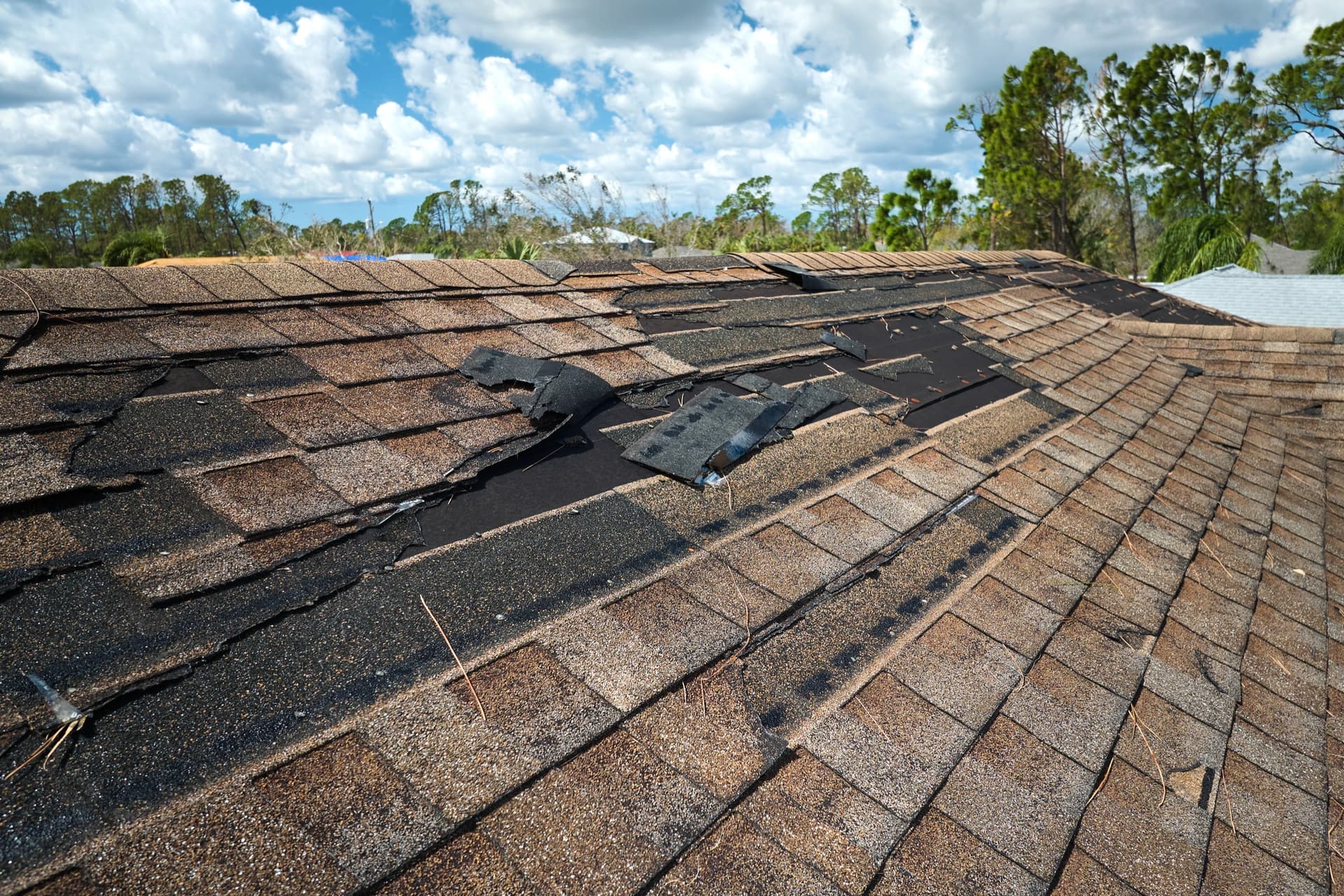
A bad storm rolls through, the wind howls all night, and in the morning you find shingles in the yard or a water stain spreading across the ceiling. It is a stressful moment, and it usually comes with a second worry right behind the first: what does this cost me, and will insurance help? New England throws a lot at a roof, from summer hail and downbursts to winter ice dams and coastal nor’easters, so storm damage is one of the most common reasons homeowners here end up needing roof work.
The good news is that a storm-damaged roof follows a fairly predictable path if you handle the first steps well. This guide walks through the kinds of storm damage we see across Massachusetts, Connecticut, and Rhode Island, what to do in the first day or two, how a roof insurance claim actually works, and how to avoid the out-of-town crews who show up after every big storm. None of this is legal or insurance advice, because every policy and every claim is different, but it will help you move forward with a clear head.
Common storm damage on New England roofs
Wind is the most frequent culprit. Strong gusts lift shingles, crease them, and break the adhesive seal that holds them flat, so water can work its way underneath even when nothing actually blew off. After a downburst or a line of severe thunderstorms, you may see missing shingles, bent or torn flashing around chimneys and vents, and debris scattered across the roof.
Hail is less common here than in the Midwest but it still happens, and it can bruise or crack shingles and knock the protective granules loose, which shortens the life of the roof. Falling limbs and whole trees are another New England reality, especially in older neighborhoods with big oaks and maples, and they can puncture the deck or crush a section of roof outright.
Winter brings its own damage. Ice dams form when heat escapes into the attic, melts the snow, and lets it refreeze at the cold eaves, backing water up under the shingles and into the house. Nor’easters combine heavy wet snow, driving rain, and hours of sustained wind, which is a punishing mix for any roof that is already aging or has weak spots.
What to do in the first 24 to 48 hours
Start with safety. Stay off the roof and do not climb a ladder to inspect it yourself, especially while it is still wet, icy, or windy. A wet or damaged roof is one of the most dangerous places to be, and a fall is a far worse outcome than a leak. If a limb has hit the house, or you see sagging, downed power lines, or standing water near electrical panels, treat the area as unsafe and keep your family clear.
Once things settle, document everything from the ground and from inside. Take clear, dated photos of shingles in the yard, dented gutters, water stains on ceilings and walls, and any visible damage you can see from below or from a window. If it is safe to do so, put a bucket under an active drip and move furniture or valuables out of the way. This early record can matter a great deal later in a claim.
If water is actively getting in, the priority is to stop further damage. This is where emergency tarping comes in: a professional secures a tarp over the damaged section to keep the weather out until a permanent repair can be scheduled. Roxaco Roofing offers fast emergency tarping across our service area, which protects your home and shows your insurer that you took reasonable steps to limit the damage. Then call your insurance company to report the loss and start the claim.
How a roof insurance claim actually works
Most homeowners policies cover sudden, accidental storm damage, such as wind or a fallen tree, while excluding wear, age, and neglect. That distinction is why documentation matters so much, and it is also why no honest roofer can promise you that a claim will be approved or tell you exactly what it will pay. Coverage depends on your specific policy, your deductible, and the adjuster’s findings, and those vary widely from home to home.
The typical path looks like this. You report the loss to your insurer and they open a claim. They assign an adjuster who schedules a visit to inspect the roof and estimate the damage. You will also want your own qualified roofer to inspect and document the damage, ideally around the same time, so you have a clear, independent record of what happened. The insurer reviews everything and, if the claim is approved, issues a settlement based on your coverage minus your deductible.
A few practical notes. Keep a simple file with your photos, the claim number, the names and dates of everyone you speak with, and any written estimates. Ask your insurer about their timeline and whether they hold back a portion of the payment until the work is completed, which is common. And do not sign over your claim rights to anyone in the driveway on the day of the storm, no matter how helpful they sound.
Getting a professional inspection and documentation
A thorough roof inspection is the backbone of a smooth claim. A qualified roofer gets up on the roof safely, checks the shingles, flashing, vents, and valleys, looks for lifted or creased shingles and granule loss, and inspects the attic and decking for signs of water intrusion. Damage that is invisible from the ground, like a broken seal or a hairline puncture, is exactly the kind of thing that turns into a leak months later if it is missed now.
What makes the difference in a claim is documentation that an adjuster can follow. That means dated photos, clear notes on what was found and where, and a written scope that ties the damage to the storm. Roxaco Roofing documents storm damage as part of our inspection so you have a clean record to work from, whether or not you end up filing a claim.
Scheduling your own inspection close to the adjuster’s visit is smart. When both sets of eyes are on the roof around the same time, there is less room for disagreement about what was storm-related and what was pre-existing. A free inspection costs you nothing and gives you real information before you make any decisions.
Repair vs full replacement in a claim
Not every storm claim ends in a new roof, and it should not. If the damage is isolated, say a dozen shingles blown off one slope or flashing torn loose around a single vent, a targeted repair is often the right and honest answer. A good roofer will tell you when a repair is genuinely enough rather than pushing a full replacement you do not need.
A full replacement makes more sense when the damage is widespread, when the roof was already near the end of its life and the storm pushed it over the edge, or when matching new shingles to a discontinued older product is not practical across a large area. Adjusters weigh many of these same factors, and sometimes a repair that would leave a visible mismatch or an unreliable patch tips the decision toward replacement.
On cost, storm repairs and replacements span a wide range depending on the size of the damage, the pitch and complexity of the roof, and the material, so any number before an inspection is only a guess. Most homeowners find that the out-of-pocket cost on an approved claim comes down to their deductible, but again, that depends entirely on your policy. The clearest path is a free inspection and an itemized estimate you can compare against what your insurer proposes.
Avoiding storm-chaser scams after a big storm
After a major storm, out-of-town crews often flood the area going door to door, and while some are legitimate, this is where a lot of homeowners get burned. Be wary of anyone who shows up uninvited, pressures you to sign on the spot, asks for a large payment up front, offers to waive or absorb your deductible, or wants you to sign over your insurance claim to them before any work is done. High pressure and urgency are the warning signs.
A few simple habits protect you. Confirm the company is licensed and insured in your state and has a real local presence you can find and call back later, not just a magnet on a truck. Get the estimate and the scope in writing, and never pay in full before the work is complete. If someone claims your insurer requires you to use them, that is a red flag, because the choice of contractor is yours.
Working with an established local roofer is the simplest defense. Roxaco Roofing is family-owned, has served Massachusetts, Connecticut, and Rhode Island for more than 11 years, and is licensed, insured, GAF and CertainTeed certified, so we are here long after the storm chasers have moved on to the next town. You can call us, look us up, and hold us accountable.
How a local licensed roofer helps
A trustworthy local roofer does more than nail on shingles after a storm. The first job is stopping the bleeding with fast emergency tarping so no more water gets into your home. From there, a proper inspection identifies both the obvious and the hidden damage and puts it into documentation you can actually use.
Roxaco Roofing walks homeowners through the roof portion of an insurance claim, which takes a lot of the stress out of an already rough week. We document the storm damage, provide an itemized estimate for the roof work, and coordinate with your adjuster so everyone is looking at the same information. We do not adjust claims or make coverage decisions, and we cannot guarantee any outcome, but a clear, well-documented roof scope makes the whole process smoother.
If a storm has just come through, do not wait for a small leak to become a soaked ceiling and ruined insulation. Book a free, no-pressure roof inspection with Roxaco Roofing at (508) 745-8237. We serve homeowners from Boston, Massachusetts to Providence, Rhode Island and across the region, and we will give you an honest read on what your roof needs and how to move forward.
Frequently asked questions
- Does homeowners insurance cover roof storm damage?
- Most homeowners policies cover sudden, accidental storm damage like wind or a fallen tree, while excluding wear, age, and neglect. Whether your specific damage is covered depends on your policy, your deductible, and the adjuster’s findings, so no roofer can promise approval. Good documentation of the storm damage gives your claim the best footing.
- What should I do first after a storm damages my roof?
- Stay safe and do not climb the roof or a ladder yourself. Document the damage with dated photos from the ground and inside, get emergency tarping if water is coming in, and report the loss to your insurer. Then schedule a professional inspection so the damage is properly recorded before repairs begin.
- How long do I have to file a roof storm damage claim?
- Timeframes vary by insurer and policy, but sooner is almost always better. Reporting promptly and documenting the damage right away helps show the loss was storm-related and that you acted to limit further damage. Check your specific policy or ask your insurance company about their deadlines.
- How do I avoid roofing scams after a storm?
- Be cautious with crews that show up uninvited, pressure you to sign immediately, ask for large payments up front, or offer to waive your deductible. Confirm the roofer is licensed and insured in your state with a real local presence, get everything in writing, and never pay in full before the work is done.
- Will a storm claim mean a full roof replacement?
- Not always. Isolated damage such as a few blown-off shingles or torn flashing is often a targeted repair. A full replacement is more likely when damage is widespread, the roof was near the end of its life, or new shingles cannot reasonably match the old ones. A free inspection gives you an honest answer for your roof.
Related services
Serving

Ready for an exact price?
Get a free, no-pressure in-home estimate. Real numbers for your home, not a phone guess.