
7 Signs You Need a New Roof (And When to Repair Instead)
· By Roxaco Roofing
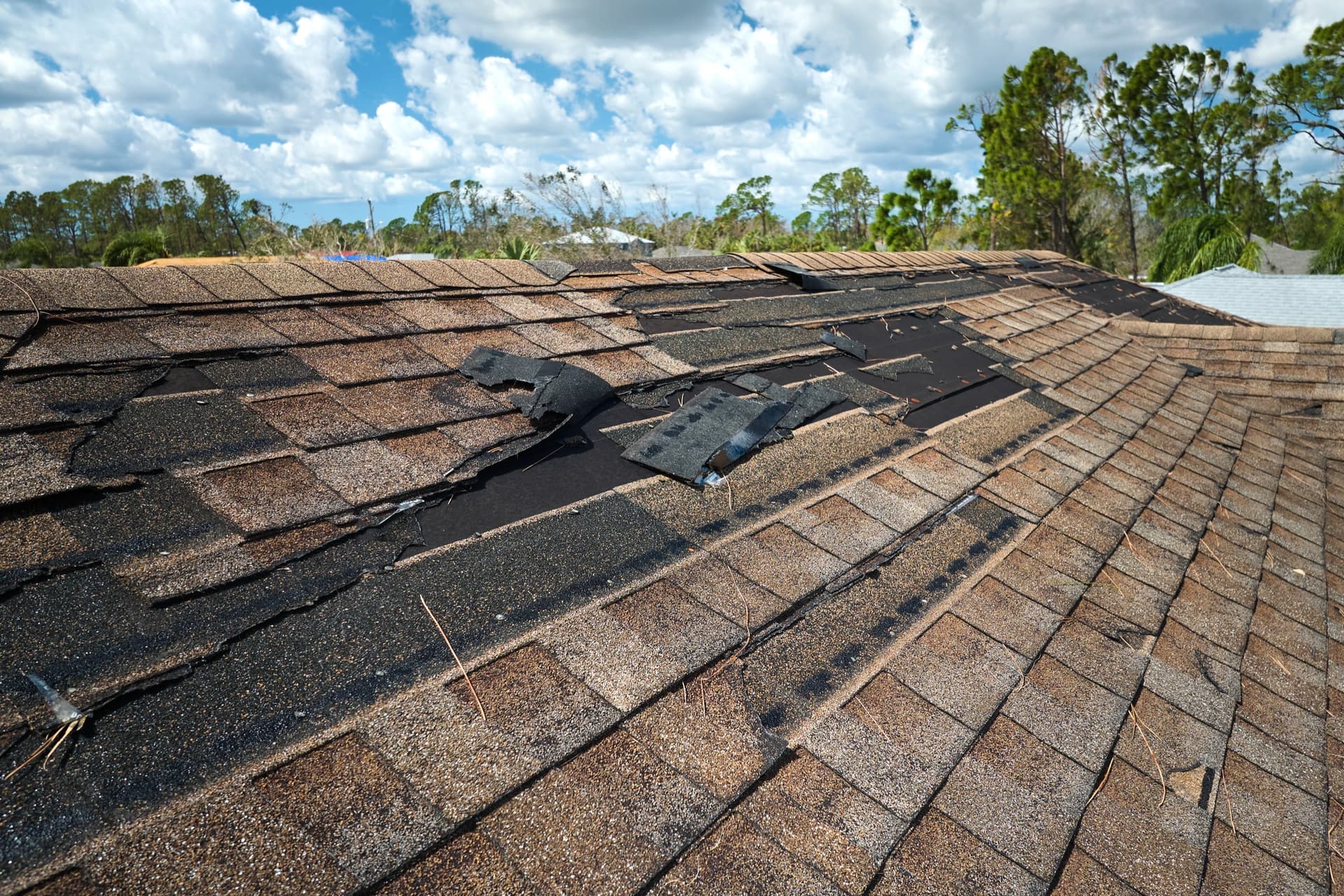
Your roof is easy to ignore until it starts causing problems. The trouble is that by the time a leak shows up on your ceiling, the damage on top has usually been building for a while. Catching the warning signs early can save you from a bigger, more expensive repair down the road.
You do not need to climb a ladder to spot most of these. Here is a practical checklist you can run through from the ground and inside your home, plus guidance on when a repair is enough and when it is time to replace.
1. Your roof is reaching its age
A standard asphalt shingle roof is generally designed to last around 20 to 30 years, depending on the shingle quality, ventilation, and how well it was installed. If you know your roof is in that range or older, it is worth having it looked at even if it seems fine from the street. Age alone does not mean failure, but it does mean the roof deserves a closer look.
2. Curling, cracked, or missing shingles
Walk around your home and look up. Shingles that are curling at the edges, cracked, buckling, or missing altogether are a clear sign the roof is wearing out. After a big New England wind or ice storm, check for shingles that have blown off or shifted. A few damaged shingles may be a repair, but widespread curling across the whole roof usually points to replacement.
3. Granules in your gutters
Asphalt shingles are coated with protective granules, and as they age those granules wash off. If you notice piles of coarse, sandy grit in your gutters or at the bottom of your downspouts, your shingles are shedding their protective layer. A bald, granule-poor shingle no longer shields the roof from the sun and weather, and that accelerates the wear.
4. Leaks, stains, or sagging
Inside the home, watch for water stains on ceilings or upstairs walls, especially brown rings that grow after heavy rain. In the attic, look for damp insulation, a musty smell, or wood that feels soft. A visibly sagging roofline is a serious red flag that the decking or structure underneath may be compromised, and that calls for a professional inspection right away.
5. Daylight in the attic
On a bright day, head into your attic with the lights off and look up. If you can see thin beams of daylight coming through the roof boards, that means there are gaps or holes, and where light gets in, water and cold air follow. Damp spots, dark streaks on the wood, or a spike in your heating bills can all point to the same underlying problem.
6. Storm and wind damage
New England weather is hard on roofs. After a major storm, look for lifted or creased shingles, damaged flashing around chimneys and vents, dented gutters, and debris on the roof. Wind can loosen shingles even when they do not blow off, breaking the seal that keeps water out. If a storm has passed through, a quick inspection is a smart move before small damage turns into a leak.
7. When to repair vs replace
A repair usually makes sense when the damage is isolated: a handful of missing shingles after a storm, a small leak around a single vent, or flashing that has pulled loose in one spot. If the rest of the roof is in good shape and still has years of life left, fixing the problem area is the right call.
Replacement makes more sense when the signs are widespread or the roof is near the end of its life. Curling across the whole surface, granule loss everywhere, multiple leaks, or a roof already past 20 to 30 years usually means repairs are only buying time. In those cases, a new roof costs less over the long run than paying for repair after repair.
If you are not sure which camp you are in, that is exactly what a free inspection is for. Roxaco Roofing is licensed in Massachusetts, Connecticut, and Rhode Island, and after 11-plus years on New England roofs, we will give you an honest read: repair if repair is enough, replace only when it truly makes sense.
Frequently asked questions
- How do I know if I need a roof repair or a full replacement?
- Isolated problems like a few missing shingles or one small leak are usually a repair, especially on a roof with years of life left. Widespread curling, granule loss, multiple leaks, or a roof past 20 to 30 years usually means replacement is the smarter long-term choice. An inspection gives you a clear answer.
- Should I have my roof checked after a storm?
- Yes. Wind can lift or crease shingles and break the seal that keeps water out even when nothing blows off. A quick inspection after a major storm catches damage early, before it becomes a leak. Many roofers, including Roxaco Roofing, offer a free estimate for storm-related concerns.
- What are the earliest signs a roof is failing?
- Granules collecting in your gutters, a few curling or cracked shingles, and small ceiling stains are often the first clues. Catching these early, before a leak reaches the living space, keeps the repair smaller and less expensive. If your roof is 20-plus years old, have it looked at even if it seems fine.
Related services
Serving
Ready for an exact price?
Get a free, no-pressure in-home estimate. Real numbers for your home, not a phone guess.